Project Overview
Long-term infrastructure protection for one of the region's key gas processing sites.
ADCC has been active on Das Island since 1970, with its relationship with the Abu Dhabi Gas Liquefaction Company (ADGAS) beginning in 1977. As part of this long-standing relationship, ADCC has manufactured protective jacketing for ADGAS gas infrastructure — designed to protect critical assets operating in a harsh offshore environment.
This case study documents the scope, technical parameters and materials associated with the jacketing work, based on publicly available project information. Contract value, exact completion dates and full quantities are not publicly documented and are marked accordingly below.
Scope of Work
Protective jacketing across five equipment categories.
Technical Challenge
Gas processing infrastructure on Das Island is exposed to a harsh offshore climate — salt air, high humidity and intense sun — while operating equipment that must remain insulated, weatherproof and fire-resistant over the long term. Protecting pipes, vessels and tanks of significantly different scales, including vessels reported at approximately 70 metres in height and tanks up to 25 metres in diameter, required a jacketing system suited to varying diameters and equipment types.
ADCC Solution
ADCC manufactured protective jacketing using Aluminized Type 2 steel, specifying material thickness according to pipe diameter and equipment type — providing insulation, weatherproofing and fire resistance suited to each application across the facility.
Technical Details
Jacketing specification
| Small diameter pipes | 0.6 mm |
| Larger pipes up to 10" | 0.8 mm |
| Pipes above 10" & equipment (vessels, tanks) | 1.0 mm |
Project Gallery
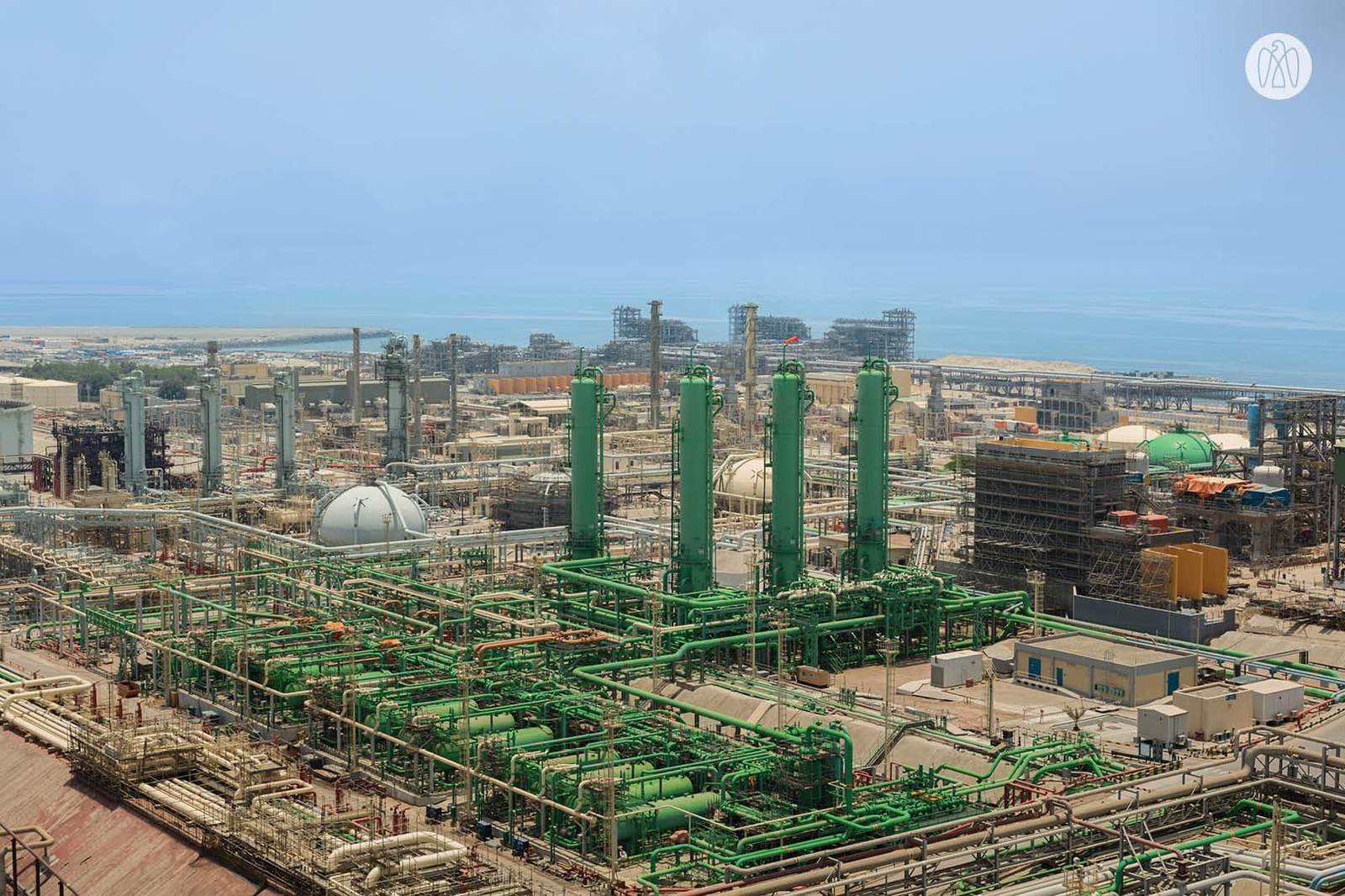
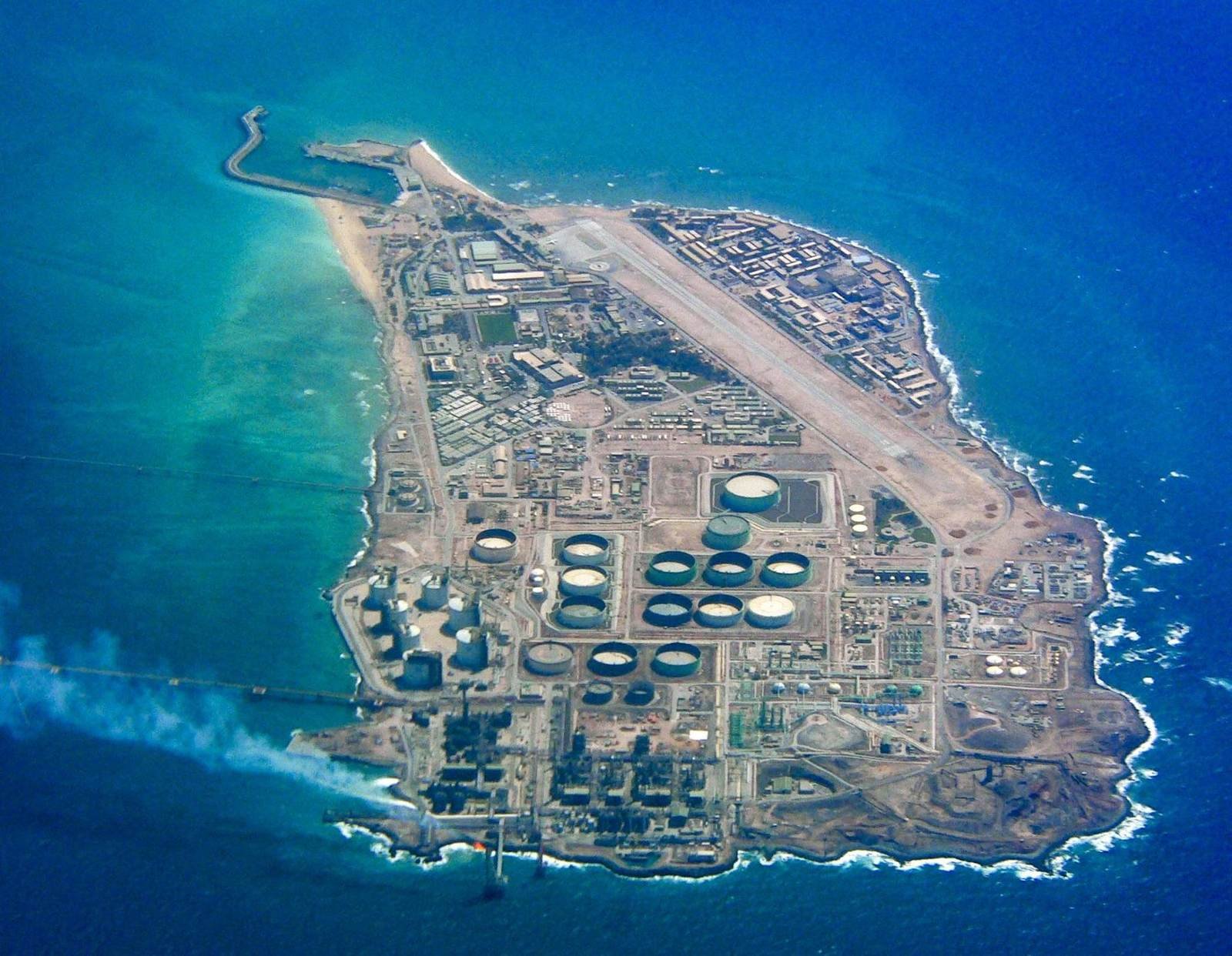
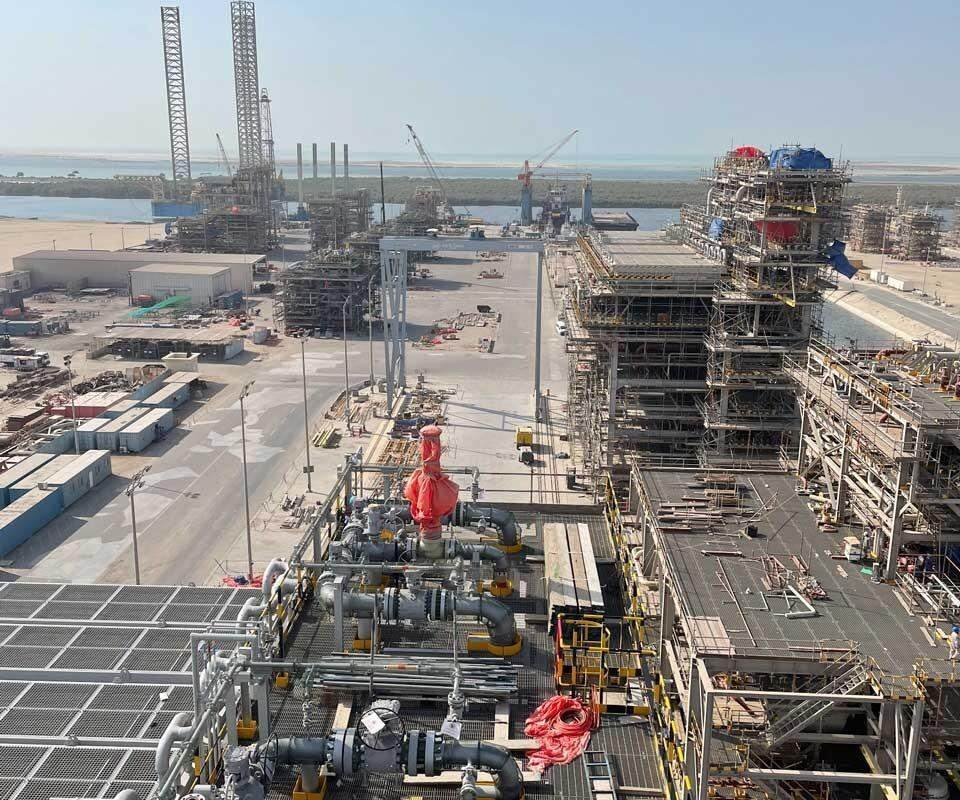
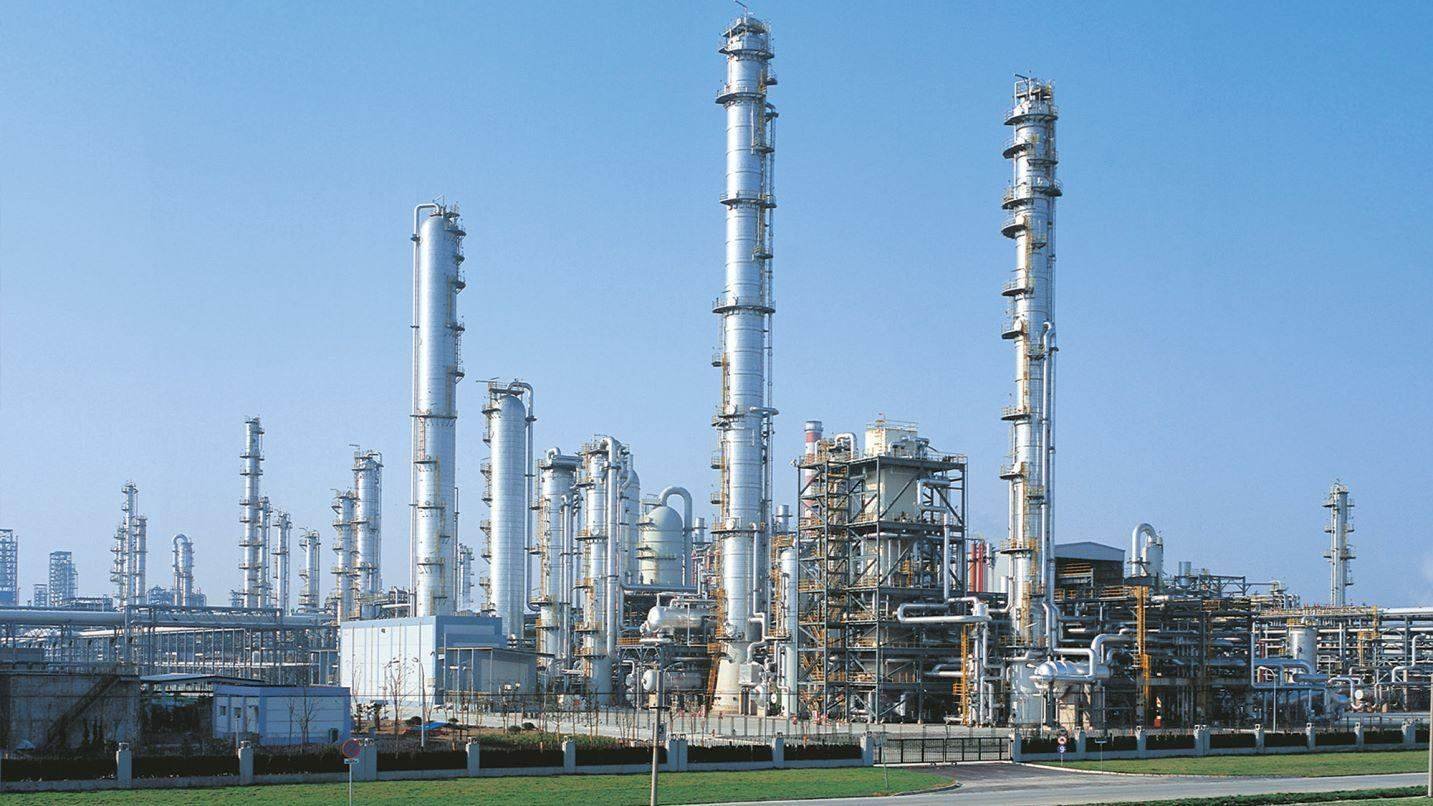
Reference imagery shown for visual context. Official project photography to be provided by ADCC.
Safety & Quality
Delivered under ADCC's Integrated QHSE system.
Work of this kind is carried out under ADCC's Integrated Quality, Environment, Health & Safety Management System, certified to ISO 9001, ISO 14001 and ISO 45001 — with an emphasis on employee training, pollution prevention and continuous improvement across offshore operations.